
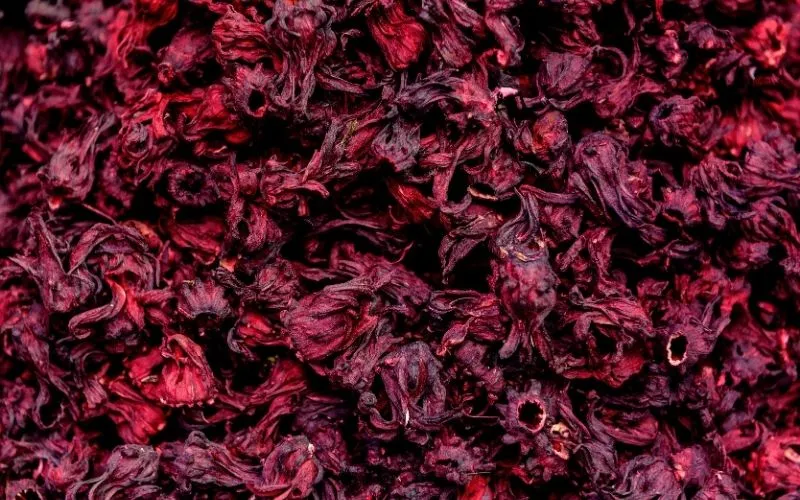
Hibiscus (flor de jamaica) is one of the highest-volume dried products in Mexican markets. But "hibiscus" is not just one thing: it covers two very different origins, with distinct characteristics and prices. Understanding the difference helps wholesale buyers choose the right one for each use.
Domestic Hibiscus
Domestic hibiscus is grown primarily in Guerrero, Oaxaca, and Colima. It stands out for its deep dark red color and pronounced tart flavor, characteristics that set it apart from other origins.
Its water yield is excellent in both cold and hot preparations, making it ideal for businesses that need consistent color and flavor extraction. It typically carries a higher price per kilogram, but that cost is offset by better extraction and a smaller amount of product needed per liter of prepared beverage.
Packaging: 25 kg sack.
Sudan Hibiscus
Sudan hibiscus comes from Sudan, Africa, one of the world's leading hibiscus-producing countries. Its color is lighter than that of domestic hibiscus, and its flavor is slightly milder.
Its main advantage is cost: it has a lower price per kilogram, making it suitable for high-volume operations where cost efficiency is a key factor, such as food service or industrial production of aguas frescas (fresh fruit drinks).
Packaging: 25 kg sack and 12 kg box.
Side-by-Side Comparison
| Feature | Domestic | Sudan |
|---|---|---|
| Origin | Mexico (Gro, Oax, Col) | Sudan, Africa |
| Color | Deep dark red | Lighter red |
| Flavor | Pronounced tartness | Milder |
| Water yield | High | Moderate |
| Price per kilo | Higher | Lower |
| Packaging | 25 kg sack | 25 kg sack / 12 kg box |
| Best for | Premium aguas frescas, concentrates | High-volume beverages, industry |
Which One to Choose Based on Your Operation?
If your business sells premium agua fresca or produces concentrates where color and flavor are the differentiator, domestic hibiscus offers better extraction and an intensity that shows in the final product.
If your operation is high-volume, whether for food service or industrial use, Sudan hibiscus reduces the cost per liter without sacrificing too much quality. Some buyers even blend both origins to balance cost and flavor profile depending on the application.
Storage and Shelf Life
Hibiscus should be stored in a cool, dry place. It is a hygroscopic product: it absorbs moisture from the environment easily, which affects both its color and its weight over time. Proper storage, in well-sealed sacks away from moisture sources, helps preserve its quality for longer.
Important: hibiscus is a seasonal product with prices that vary significantly from harvest to harvest. Request a current quote before planning large purchases.
Get a quote for wholesale hibiscus
Check availability and pricing for domestic and Sudan hibiscus.
View dried fruit