
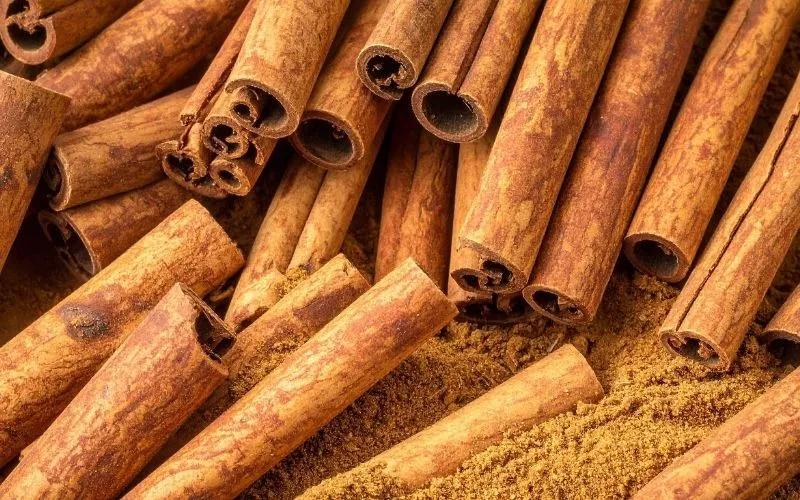
Ceylon cinnamon (Cinnamomum verum) is one of the most prized spices in the global food industry. Unlike cassia cinnamon, which is thicker and stronger, Ceylon stands out for its sweet and delicate aroma, thin rolled layers, and light brown color. For wholesale buyers, understanding the varieties and quality criteria is key to making the right purchase.
Ceylon cinnamon vs cassia cinnamon
The main difference lies in botanical origin and sensory profile. Ceylon cinnamon, native to Sri Lanka, has a milder and more complex flavor, with citrus and floral notes. Cassia (Cinnamomum cassia), from China and Southeast Asia, is more intense, spicy, and contains significantly higher levels of coumarin, a compound that can be harmful in high doses.
For the food industry, this difference matters: the European Union and other markets regulate coumarin content in food products, which has increased demand for Ceylon cinnamon in industrial processes requiring a safer product with a refined flavor.
Ceylon cinnamon varieties
Ceylon cinnamon is classified into commercial grades based on bark thickness, stick diameter, and rolling uniformity. The most common varieties in the wholesale market are:
- Alba: the finest grade. Thin sticks, uniform light color, intense aroma. The premium variety par excellence.
- Extra Special: slightly thicker than Alba, with excellent aroma and color. Highly sought after in artisanal pastry making.
- C5 Extra Special: good balance between quality and price. Ideal for food manufacturers seeking consistency.
- C5 Special: standard grade with a good aromatic profile. The most widely used option for large volumes.
- C4: thicker bark, high yield. Common in grinding for ground cinnamon.
- H2: fragments and shorter sticks. Used primarily for industrial grinding and extracts.
Industrial uses
Ceylon cinnamon has broad applications beyond home cooking. In Mexico, it is a key ingredient in preparing atole, cafe de olla, rice pudding, ponche, and moles. At an industrial level, it is used in:
- Production of sweet bread and pastries (conchas, cuernos, cinnamon rolls).
- Manufacturing of beverages: atoles, horchatas, teas, and liqueurs.
- Spice blends and seasonings for the food industry.
- Extracts and essential oils for the cosmetic and pharmaceutical industries.
Wholesale purchasing criteria
When evaluating Ceylon cinnamon for volume purchases, these are the factors worth reviewing:
- Aroma: should be sweet and intense. A weak aroma indicates old or poorly stored product.
- Color: light brown and uniform. Dark spots may indicate moisture.
- Texture: layers should be thin and well-rolled. The thinner the bark, the higher the quality.
- Uniformity: sticks should be consistently sized within the same grade.
- Cleanliness: free of dust, loose chips, or foreign matter.
Storage
Cinnamon sticks retain their aroma longer than ground cinnamon, but require proper conditions:
- Cool and dry location, away from direct light.
- Stable temperature, avoiding sudden changes that cause condensation.
- Sealed containers to prevent loss of volatile oils.
- Stored separately from products with strong odors.
Key fact: Ceylon cinnamon contains up to 250 times less coumarin than cassia cinnamon, according to studies by the German Federal Institute for Risk Assessment (BfR). This difference is relevant for manufacturers exporting to markets with strict regulations.
Get a quote for wholesale Ceylon cinnamon
Check price and availability in 10 kg boxes. Six varieties available.
View cinnamon